
 The end of the year is fast approaching. Before the holidays monopolize all of your free time, take a minute and think about your vehicle. Have you had it serviced lately? Are there weird noises, smells, or other issues with it you’ve been ignoring? Before the weather turns truly awful, schedule an auto maintenance inspection with your local service center. Remember, winters can be rough on your vehicle, especially for the braking system. Snow, ice, and road salt can intensify the internal components’ wear, rust, and corrosion. Even consistent rainfall can have an adverse effect on your brakes. Slick roads require your braking system to work harder, which wears brake pads, possibly accelerating the need for brake repairs or other auto maintenance.
Winter Auto Maintenance Checklist
Considering all the miles we put on our vehicles during the summer months, now is a good time to schedule your winter auto maintenance service. Have your service technician perform an oil change and a multi-point inspection. It’s also a great time to store all your accumulated summertime accessories and add necessary winter-themed supplies. Here’s a quick checklist:
- Check fluids & filters
- Clean & organize the interior
- Examine hoses, belts & gaskets for wear, cracks, and leaks
- Inspect tires for wear, tread depth, and air pressure
- Replace worn windshield wipers
- Replenish your emergency kit
- Test head lights, brake lights, turn indicators & replace blown fuses
- Wash and wax the exterior
Braking System Inspection
Read your owner’s manual for the factory-recommended brake service interval. You can usually combine services at your auto shop to save yourself time and money. Most auto manufacturers recommend having your brakes inspected twice a year. A good rule of thumb would be every 5,000-7,000 miles or 4-6 months (whichever comes first). Remember, this important service verifies all the brake system parts work correctly, so your vehicle is safe and stops as expected. A brake inspection does not mean your brakes will need repairs – it is a preventative measure to ensure vehicle safety. If your technician discovers an issue during the inspection, they will inform you which components need service.
Brake Repairs
During brake repairs, the technician repairs or replaces braking system components with excessive wear or damage. Sometimes, they can repair worn components, and sometimes, the parts require replacement. Your qualified service technician will guide you through the available options.
Common Braking System Components
ABS Control Module
The ABS control module works like a mini-computer. It processes information from the wheel speed sensors and activates the anti-lock braking when it detects data of a potential wheel lock-up (like a wheel is decelerating too quickly).
ABS Speed Sensors
Wheel speed sensors monitor each wheel’s speed and transmit the data to the ABS control module.
ABS Valves
The ABS valves are located on the brake line of each wheel and regulate the brake pressure. The ABS control module adjusts the valves by reducing brake pressure to the affected wheel until it regains traction, then re-applies pressure to slow and stop your vehicle effectively.
Brake Drum
The brake drum is a drum-shaped cast steel housing connected to the wheel’s lug nuts. It rotates with the wheel and provides the source of friction for the brake shoes to slow your vehicle’s wheels.
Brake Fluid
Brake fluid is the most essential component in your vehicle’s braking system. The pressurized fluid in the brake lines makes all the components operate. It’s hygroscopic, absorbing and trapping water molecules so they can’t corrode the internal braking system components. Therefore, brake fluid has a limited lifespan and requires periodic replacement.
Brake Pads
Brake pads in disc brake systems are consumable components that wear down through friction every time you apply the brakes. Once your brake pads wear beyond the safe limit, they require replacement. Some brake pads have a ‘warning signal’ and make a squealing sound when they near the end of their lifespan. Pay attention to that sound. If the squealing turns into grinding, you have waited too long. Schedule a brake repair service as soon as possible because your brakes are grinding metal on metal, which will cause additional brake damage.
Brake Shoes
Brake shoes work with a drum brake system. Brake shoes are consumable, crescent-shaped components that mount inside the brake drum. When you engage the brake pedal, the brake shoes push against the inside of the brake drum to slow down the wheel.
Calipers
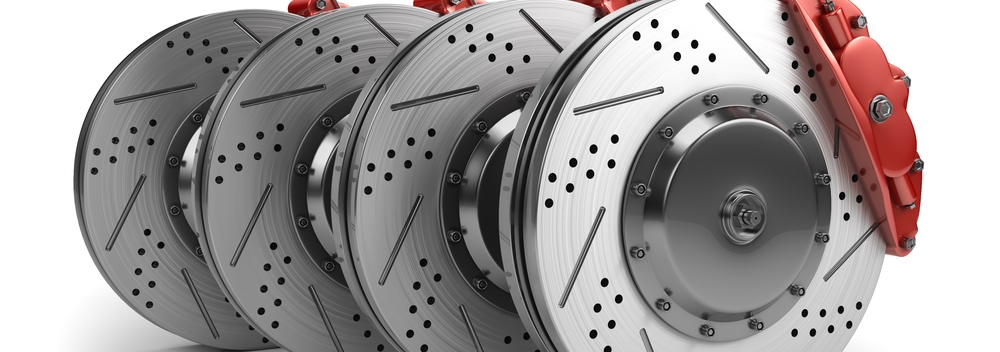
Calipers are hydraulic pistons and clamps that squeeze the brake pads against the rotors when you engage the brake pedal. This action creates friction, slowing the spinning wheels so your vehicle stops. Since calipers experience exposure to moisture and road debris, they can rust or even bend out of shape. These conditions can cause them to stick open or closed. Stuck or damaged calipers require swift replacement to prevent unsafe driving conditions.
Rotors
Brake rotors are the flat, spinning metal discs behind your wheels that the brake pads push against to stop your vehicle. They accumulate surface rust and road debris, which requires routine cleaning. Old, worn, or damaged brake pads can warp and scratch the rotors. Sometimes, technicians can resurface damaged rotors to repair minor issues. Significantly damaged rotors require immediate replacement.
Auto Maintenance in Kirkland, WA
Routine auto maintenance (oil changes, tire rotations, brake repairs) can identify minor problems before they become major concerns. Fisher’s Auto Service technicians are highly trained and ASE-certified, so you can trust us with your automotive needs.
Schedule Your Brake Repair
For over 40 Years, Fisher’s Auto Service has offered inspection, auto maintenance, and brake repairs for all SUV, truck, and car models. Call us at (425) 823-4441 or visit our website to schedule your next service.