
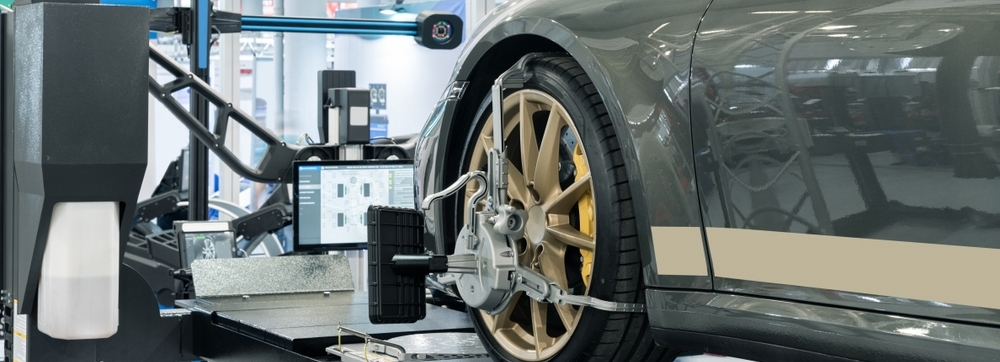
 There are several misconceptions about wheel alignment. Folks wonder if it is necessary or just another way to ‘swindle’ car owners out of their hard-earned money. The fact is, wheel alignments serve a real purpose and are part of your manufacturer’s recommended maintenance program. Service intervals for your vehicle can vary based on mileage, driving style, vehicle type, and road conditions. Vehicle stability and motorist safety rely on proper wheel alignment to reduce car shaking and tire tread wear.
Why Vehicles Need Wheel Alignment
Think about how rough some streets are when driving around town. Your car compensates for all those bumps and ruts in the road. Eventually, all that movement shifts things out of whack. Automobiles need periodic wheel alignment to put everything back into the correct position. That way, the wheels work in unison again to reduce tire tread wear and improve vehicle stability. Wheel alignment means the wheels and tires align with each other and the ground.
Wheel Alignment: It’s All About The Angles
Wheel alignment uses mathematics to determine the most efficient angles for your vehicle’s wheels relative to the road surface. This factory-recommended service adjusts wheel angles, tilts, and pitches to improve vehicle stability and extend tire life. When done correctly, a wheel alignment will get all your tires working together and pointing in the correct direction. Symmetry is key to a successful wheel alignment. The angles (camber, caster, toe) require careful adjustments by a trained technician during a wheel alignment service.
Wheel Alignment: Common Symptoms
All vehicle owners should recognize these common symptoms of misaligned wheels so they can take quick action. Driving with your vehicle’s wheels out of alignment can create strain and wear on your vehicle’s suspension, steering, and tires. Vehicle stability requires all four wheels to respond reliably to your steering wheel adjustments. Your vehicle’s steering wheel must align with the wheel’s position. If your wheels point straight ahead, then so should the steering wheel. When they are out of alignment, then you may experience the following symptoms:
Car Shaking
A shaking steering wheel while driving usually indicates your car needs a wheel alignment service. You may also feel shaking or vibrating through your seat. The symptoms may increase at higher speeds or when slowing down quickly. Other factors that create car shaking while driving include problems with your vehicle’s tires, suspension, or steering systems. Schedule an inspection if you are experiencing car shaking.
Poor Vehicle Stability
You should not have to adjust your steering wheel constantly to keep your vehicle driving straight. On a level road surface, you should be able to remove your hands from the steering wheel and still move forward in a straight line. Remember, a car that wobbles, shakes, swerves, or feels unstable is dangerous.
Steering Issues
It’s important to notice changes in vehicle stability and responsiveness while driving. Misaligned wheels often cause steering issues. A qualified auto technician can diagnose steering issues, such as:
- Loose-feeling steering wheel
- Off-center steering wheel
- Poor handling or instability during turns and when accelerating
- The steering wheel does not return to the center position
- Squealing sound when accelerating or turning
- Tires lose grip when cornering
- The vehicle feels twitchy, bouncy, or unresponsive
Tire Tread Wear
To ensure even tire tread wear, practice routine tire maintenance. Frequently inspect the tire air pressure and visually inspect tires for signs of damage. Uneven tire tread wear can indicate misaligned wheels, overdue tire rotation, or incorrect air pressure (too much or too little). Signs of excessive or uneven tire tread wear include:
- Excessive wear on the inside or outside tread on your tires
- Frequent tire replacement
- Reduced traction
- Uneven tread wear patterns
Vehicle Veers Or Pulls To The Side
When your alignment is off, your vehicle may veer or pull to one side, affecting steering and vehicle performance. Veering causes wear to your tire tread and strains suspension parts. Misalignment also reduces vehicle stability and steering reliability. Address this issue quickly by scheduling a wheel alignment service.
Worn Suspension
Wheel misalignment can cause excessive wear and damage to the control arm, struts, and shocks. A worn suspension can be expensive to service and replace. Preventative maintenance (like a wheel alignment) can extend the lifespan of suspension components, saving you money over time.
Misaligned Wheels: Common Causes
Misaligned wheels naturally occur under normal driving circumstances. The more miles you drive, the higher the likelihood of misaligned wheels. Of course, certain situations can hasten the need for wheel alignment. These include:
- Bumping into curbs or parking blocks
- Minor traffic accidents or collisions
- New tires or swapping seasonal tires
- Potholes and road debris
- Rough roads (like gravel, cobblestones, rutted surfaces)
- Worn suspension components (shocks, struts, springs, etc.)
Wheel Alignment Service Intervals
Wheel alignment is a routine maintenance service that does not last for the life of your car. Always follow your factory-recommended service interval for wheel alignment. Your owner’s manual should contain a service schedule for your specific vehicle. Consult your service technician if you have questions or concerns about the best time to schedule your alignment.
Wheel Alignment Service in Kirkland, WA
If you are dealing with any of the above problems, schedule a diagnostic service with Fisher’s Auto in Kirkland, WA. If your car has excessive tire tread wear or is shaking while driving, bring it in immediately. Our service technicians will determine the cause and get your vehicle back on the road. Restoring vehicle stability is key for a safer driving experience.
Schedule Service
Call us at (425) 823-4441 or visit us online to schedule your wheel alignment service.