
 If you drive a hybrid or electric car, you may have experienced problems with your regenerative brakes. It can be challenging to figure out where the problem is since there are so many components to consider. Keeping current with your vehicle’s routine maintenance helps reduce issues with your regenerative brakes, but if you have braking system problems, schedule a brake service as soon as possible to stay safe.
How Regenerative Brakes Work
Most electric (EV) and hybrid vehicles use a regenerative braking system. It converts lost kinetic energy (during deceleration) into electrical energy stored in your vehicle’s battery. This innovative process increases fuel efficiency and decreases heat generation (as compared to traditional braking systems).
With traditional braking systems, engaging the brake pedal creates friction (and generates heat) to slow your vehicle while dissipating that heat energy into the air. On the other hand, regenerative brakes capture that energy and send it to the battery for later use.
Braking System Components
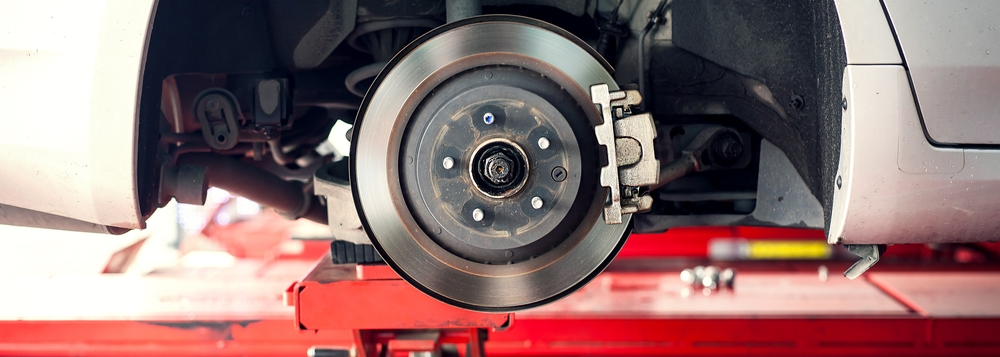
In addition to the standard components found in a traditional braking system (brake pads or shoes, discs/rotors or drums, calipers, and brake fluid), regenerative brakes also utilize:
- Battery packs
- Braking system control modules
- Electric motors or generators
- Sensors
Types Of Regenerative Brakes
There are primarily two types of regenerative braking systems based on their operational mechanism: parallel and serial regenerative braking. Both braking systems integrate regenerative and conventional friction brakes in slightly different ways. They each strive to provide energy efficiency and prolong the lifespan of brake components by reducing wear.
Parallel Regenerative Braking System
With parallel regenerative brakes, the regenerative and friction braking systems work simultaneously. When you engage the brakes, both systems work at the same time to slow down your vehicle. This method balances the braking force between the regenerative and conventional braking systems. Parallel braking optimizes energy recovery while providing effective braking performance.
Serial Regenerative Braking System
Serial regenerative brakes operate sequentially. When you step on the brake pedal, the regenerative system engages first to recover as much energy as possible. The friction brakes are only activated if additional braking force is required to stop your vehicle. This method prioritizes energy recovery before mechanical braking.
Regenerative Braking System Issues
When troubleshooting your regenerative brakes, inspect each component independently and as a collective – to see if a bigger issue is at play.
Battery Packs
Underperforming battery packs may indicate energy transfer issues or storage problems. Your service technician has specialized tools that monitor the battery pack’s state of charge (SOC). Maintain your vehicle’s battery health by keeping it clean and corrosion-free.
Error Codes and Dashboard Warning Lights
Your vehicle’s onboard computer system generates error or trouble codes. These codes require specific tools to read. Your trained service technician can help determine which error codes are active and how to remedy the situation best. Sometimes, the dashboard warning lights are related to the error codes, and sometimes they point to other issues. Read your owner’s manual for more information on what the dashboard warning lights mean.
Faulty Control Modules or Sensors
Faulty modules can interrupt the flow of information between the traditional and regenerative braking systems. There should be seamless transitions between regenerative and friction braking. If there is a lag, unusual noises, or reduced efficiency during braking, schedule a diagnostic service to determine the cause. A few common sensors found in regenerative brakes are:
- Battery State-of-Charge Sensors
- Position Sensors
- Speed Sensors
- Temperature Sensors
- Torque Sensors
Low Brake Fluid
Brake fluid is a necessary component for all braking systems. Low brake fluid may significantly reduce the effectiveness of your vehicle’s brakes. Old, dirty, or compromised brake fluid beyond its useful lifespan requires service and replacement.
Malfunctioning Electric Motor or Generator
Permanent Magnet Synchronous Motors (PMSM) and Induction Motors are the most commonly used in regenerative brakes. PMSMs are efficient and provide better torque at low speeds, making them ideal for high-traffic environments. Irregular electric motor or generator behavior often indicates an issue with those parts. For example, suppose the system captures less energy during braking than the manufacturer-suggested specifications. In that case, your vehicle may need replacement parts.
Outdated Software
Software controls your regenerative braking system. Outdated software can create instability and inefficiency in your braking system. It is imperative to stay up-to-date with the manufacturers’ latest software updates.
Poor Routine Maintenance
Routine vehicle maintenance should include a braking system inspection at least once a year. Your service tech checks the brake components for wear and damage. They also ensure the entire system operates correctly, look for error codes, and update the software when necessary.
Worn Brake Pads or Shoes
Brake pads and brake shoes are consumable items that require periodic inspections and replacement. Worn brake pads often generate squealing or grinding noises while braking.
Brake Maintenance in Kirkland, WA
Fisher’s Auto Service provides high-quality brake service and routine maintenance to the Kirkland, WA, area. Our auto technicians use advanced diagnostic tools and quality braking system replacement parts to keep your vehicle in tip-top shape.
Schedule Your Brake Service Appointment
If you are experiencing issues with your regenerative brakes, call us at (425) 823-4441 to schedule a brake service appointment today! You can also visit us online.